Park Life

Dawberry Fields Forever…..

We are blessed in Birmingham with so many green spaces/parks? Wherever we have lived, we have enjoyed playing, walking, exercising, learning about the birds and the trees. Thanks dad.

Many happy hours were spent with school friends at the Muntz Park in Selly Oak, “down the Dell” then through the gap to “The Rec”, and back.. and back again!

Later in Bournville, I would retrace the steps that dad took with us, past Stocks Wood to Bournville Park, then follow the River Bourn to the “Yachting Pool”, now called Arrow Valley? We’d net us some Sticklebacks, before ‘Pooh sticking’ it home.

Stirchley was more challenging – I hunted down all the ‘Microparks’ and the recently reenergised Stirchley Park, with new trees and commissioned graffiti depicting Birmingham’s history, and I followed the River Rea to Hazelwell, and onto Cannon Hill Park. Mom and I would spring dad from his care home and sit for hours with him coddled in blankets listening to birds, which he could still name, and chatting to passers-by.

That’s Park Life! Passers-by speak to each other (mostly!).

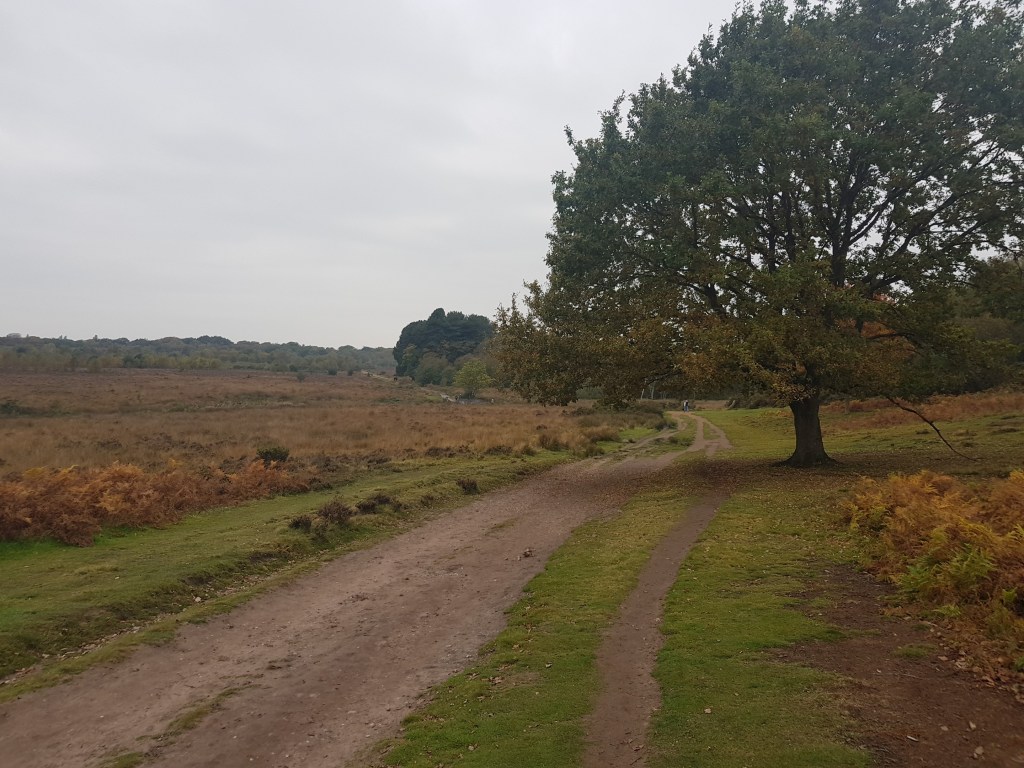
Mom and I moved to Kings Heath, and what a lovely surprise it was to find that ‘just over the fence’ lies a hidden gem. Dawberry Fields Park shares it’s bounty with us. We have an Oak Tree full of life, blackberries, and a honeysuckle hedge which peeps over, and shares it’s heady scent in the summer evenings, when we’re out there watching the bats fly over the park (yes the nightlife is good here too!) while sipping our gin! I’m less keen on the sound of the foxes screaming at night though!

I’ve seen all sorts of butterflies and moths – Common Blue, Peacocks and my favourite the Cinnabar moth – striking red and black colour – I thought I’d happened upon a rare species, but thanks to a great Facebook page ‘EcoRecord’ I post my ‘rare’ finds and they let me know what they are. I recently met two like-minded ladies keen to inject more life into the park who had set up a nature trail which I had followed. It got me thinking about learning more and investing some time with nature. Just yesterday I counted over 30 Oak Trees!

Birdlife is thriving – the hedges are full of blackberries are also a cacophony of song – Robins, blue tits, sparrows, and of course the noisy crows! I recently saw Goldfinches near the Brandwood Park road entrance. I miss dad for helping me identify birds and their song – it would be nice to have an expert (other than Google) with me!

We hear (and sometimes watch) the footie players – there is some serious coaching that goes on, as well as families having a kick around, despite one of the goalposts having gone walkabout! This same lonely goalpost has hosted birthday parties, complete with balloons and picnic, and more recently a slightly scary full on firework display!

I also realised I had played footie here long ago. I was a Major with 202 Field Hospital and we’d walk down from the TA Centre and play – well, I say ‘play’, I spent a lot of time running around after a ball!

It’s (mostly) a tranquil oasis, interspersed with children playing, especially when they pour out of the nearby school to use the playground, and dog walkers chatting, joggers and has become a little busier recently, which is nice. Another bonus is that there are plenty of benches to sit and watch the World go by.

So, I’m all for ‘Park Life’, where all the people; so many people, they all go hand-in-hand, and while life passes us by in a Blur (see what I did there?) it gives me a sense of enormous well-being.

Kim – a friend of Dawberry Fields Neighbourhood Park

Nurturing pioneers of the future.

My name is Saleha Patel, I am currently a Nursery Lead and Early Childhood Studies graduate. I have been working within the EYFS sector for 8 years. I enjoy sharing my passion and ideas for our nurturing pioneers (The Early Years) of the future.

Outdoor learning has been a personal struggle whilst working in Early Years. I would have a tendency to doubt the benefits of outdoor learning due to several factors; lack of knowledge, funding, weather and resources. Over the last year I have attended some informative webinars and training about outdoor play, and I have come to a realisation that it is all about the simple outdoor activities. This blog will explore the simple, free and low-cost ways I have found to enjoy nature with children.

Outdoor Learning and Nature in Early Years

Outdoor learning is part of the curriculum, the Statutory Framework (2017) states “Providers must provide access to an outdoor area or if this is not possible, that outdoor activities are planned and taken on a daily basis.”

It is necessary for children to learn outside and take their own risks in order to learn how to manage their own risks. Outdoor learning and nature have a massive impact on children and their mental health, it also enables children to develop their confidence, resilience and self-esteem. A variety of skills are learnt through outdoor learning which includes social skills and relationship bonding. Therefore, outdoor play spaces are important for promoting children’s wellbeing and development. 

Why is Outdoor Learning important in Early Years?

Playing and learning outside helps children to understand and respect nature, the environment and the interdependence of humans, animals and plants. It is particularly important to those children who learn best through active movement. Below are some of the reasons why outdoor learning is important.

  • Accurate Assessment: Children act differently outdoors therefore it is important to observe them in the outdoor environment to get an accurate insight.
  • Healthy body and brains: There is more space, freedom and peace in order for children to develop and grow.
  • Characteristics of Effective Learning: The children are able to play and explore, learn actively, develop their own ideas and develop strategies for doing things.
  • Communication and Language: Being outdoors allows children to develop key language skills, boosts confidence and enhances social awareness.
  • Awe and wonder: The children are able to discover things outside that cannot be discovered indoors, sparking awe and wonder.

Barriers to Outdoor Learning

Many people say they are not getting the right support to provide an effective outdoor environment. Below is more detail on why there are certain barriers for outdoor learning.

  • Funding: This is fundamental; however, I am beginning to learn the simple activities can also have a great impact on children and their experiences, so it does not always have to be something that costs a lot of money.
  • Resources: Thinking outside of the box and recycling simple resources can go a long way.
  • Staff: Sometimes staff are not always willing to go outside. Making a rota can help with this and relevant training.
  • Planning outdoors: Planning outdoors can sometimes be forgotten about, however resources need to be replenished and meaningful. Resources which are open and accessible can always make planning outdoors easier.
  • Clothing: Depending on the weather, clothing can also be seen as a barrier. Investing in overalls and wellies for children and a waterproof jacket for the staff can be great.

Outdoor Ideas:

Here are some simple and effective ideas and benefits of how to get children involved with nature and the outdoor area:

  • Watch the world go by: If you have green space or even some tarpaulin on the floor, children can lay down and watch the sky go by – this is great for mindfulness.
  • Guttering and tubes: This aids natural co-operation. It can work brilliantly for any activity that requires movement of an object. Cars, water, stones, balls and other objects.
  • Mark making: Mark making can be done anywhere and everywhere. Allow children to mark make on walls outdoors, the floor encouraging large scale mark making with big paint brushes and rollers. Mud painting, powder paint, chalk and white boards.
  • Growing and Planting: You can use seeds and even old veg to regrow. You can use the end of a carrot, pumpkin seeds, pepper seeds, potato shoots, celery, onion bulbs. You can also use flower seeds and bulbs. Herbs are great, especially for sensory needs. Compost bins are great to recycle organic waste. A water butt to collect rain water, watering cans to look after the plants.
  • Mud Kitchen: Use real pots and pans, cutlery, sink – this can be recycled from people’s houses. Rice, pasta, mud is also fantastic for the children to cook with and role play. Create a bug hotel with pallets.
  • Construction: Asking local shops, marketplace and relevant websites you can get hold of cheap or even potentially free cable reels, pallets and crates. Spades and soil to do plenty of digging.
  • Outdoor Activities: Hoops, bean bags, balls, create dream catchers with twigs and string, nature trails, sound walks, throwing leaves around, leaf hunt, visiting your local park and best of all is allowing children to enjoy the freedom of being outdoors and running around.

Insights from the FPA Team 2.

Dan Lloyd – Naturally Birmingham FPA Project Officer

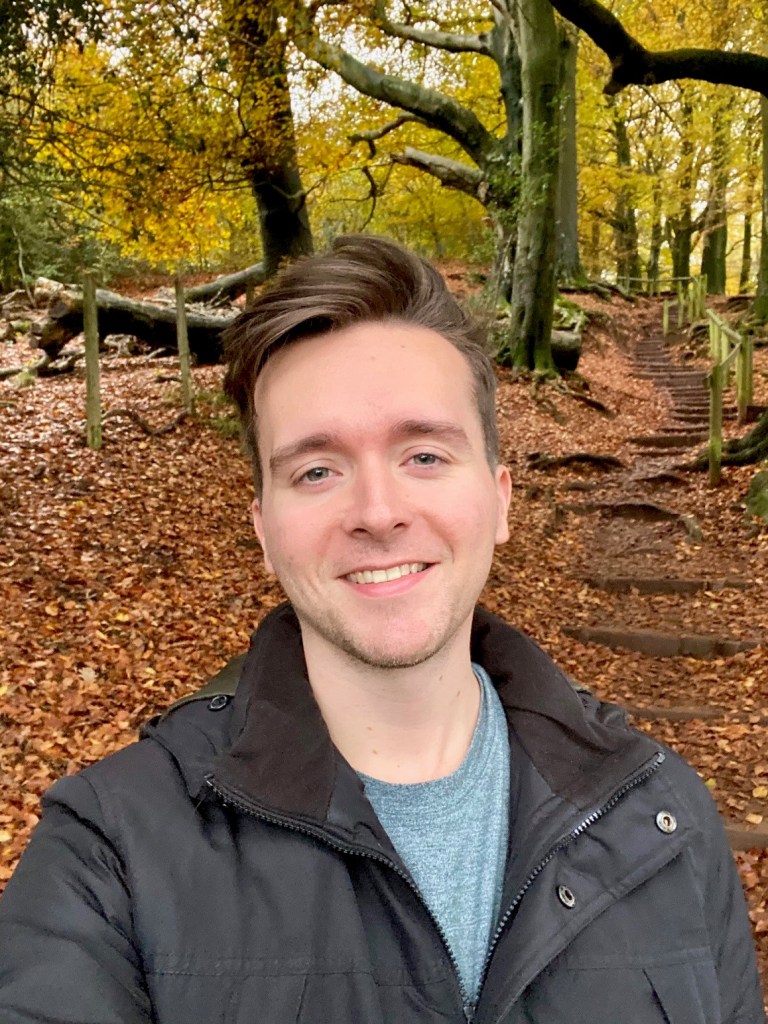
For as long as I can remember I’ve always loved nature and the outdoors. Some of my fondest childhood memories are of ‘rambling’ in the nearby nature reserve, stopping by the ponds to look at all the tadpoles swimming around, before stopping for a hot chocolate break on a bench overlooking the old claypit that is now designated as a Site of Special Scientific Interest (not that I knew what that meant back then!).

I didn’t realise it at the time, but I was incredibly lucky to have lived somewhere with access to such places (and to be around people who embraced them); despite living in a relatively deprived area, we were well serviced by green spaces and this really sparked an interest in the natural world that shaped my life and career. I spent my years in college and university honing this interest, with environmental science, geography, and geology, and eventually found myself moving into local government, where I really hoped to make a difference in people’s lives. When I saw an opening in the FPA team, I leapt at the chance to be part of a programme that aims to provide the opportunity for everyone to access what I was lucky enough to experience growing up.

Recently, I’ve really had chance to reconnect with nature in a way that I had started to drift away from in the past few years. During the national lockdown due to Covid-19, and the advent of homeworking, I became increasingly ‘stuck’ indoors – sometimes not leaving for extended periods of time, and not seeing friends and family, or even other people. Over time this seriously impacted on my mental health in a way that was difficult to spot at first, but I eventually I made the decision to incorporate walks in nature as much as I could into my week – I still remember ‘emerging’ from my house and popping to the local woods for the first time since lockdown; I’d forgotten how green everything could be, how pleasant the birdsong was in the still, early summer air. Simply spending time in nature has been proven to reduce the levels of cortisol (the ‘stress hormone’) in the body, and this was definitely my experience; I felt more relaxed, happier, and the ‘fog’ that had started to descend on me began to clear.

If there’s one thing I would recommend to people who found themselves in the same position I was in, it’s to spend as much time as you can outdoors. Admittedly I still find myself fighting the urge to just sit on the sofa and watch Netflix after a long workday, and I’m not the best at going out in the rain… but I’m trying to maximise my time outdoors where possible, and I don’t intend to lose the habit once the cold weather rolls in!  

My Park

Blog Author- Hamira Sultan – FPA Director for the Naturally Birmingham Project

I’ve been thinking quite hard about how becoming FPA Director for Naturally Birmingham has been life changing for me. I was born in Birmingham to a Muslim, Pakistani family, where I spent 18 years growing up in Perry Barr. I lived with my Mum and Nani (maternal grandmother), both immigrants from Pakistan. My mum had to leave school at 18 as her dad died 4 years previously leaving my Nani with 7 children to raise.

I think back on my own life growing up and my Mum was absolutely determined I wouldn’t follow in her footsteps. As a single parent, she was very protective of me – I didn’t get to play with other children in the street, we rarely went to the park as there wasn’t one near us and Mum wasn’t too keen on me getting dirty. Education was absolutely top of the priority list – and without that, I doubt I’d have got to where I am today. I’ll forever be thankful that she invested so much in me.

Nature and green spaces were a mystery to me growing up – Mum was and still is a keen gardener. I still remember we had a perfectly manicured garden and my cousins and I could look at it (but not run on it!). Seeing her spend hours cutting the edges put me off having a garden in all honesty, and was something I vowed to avoid in my own home. It might sound like I’m describing a stereotype of Asian families – maybe I am, but there’s no denying there is a shortage of black and ethnic minority people working in the world of green spaces. I often how wonder how much of that is because of our relationship with nature. Whatever the reason, and given the diverse make up of my home city, I’m determined FPA goes some way to address this imbalance.  

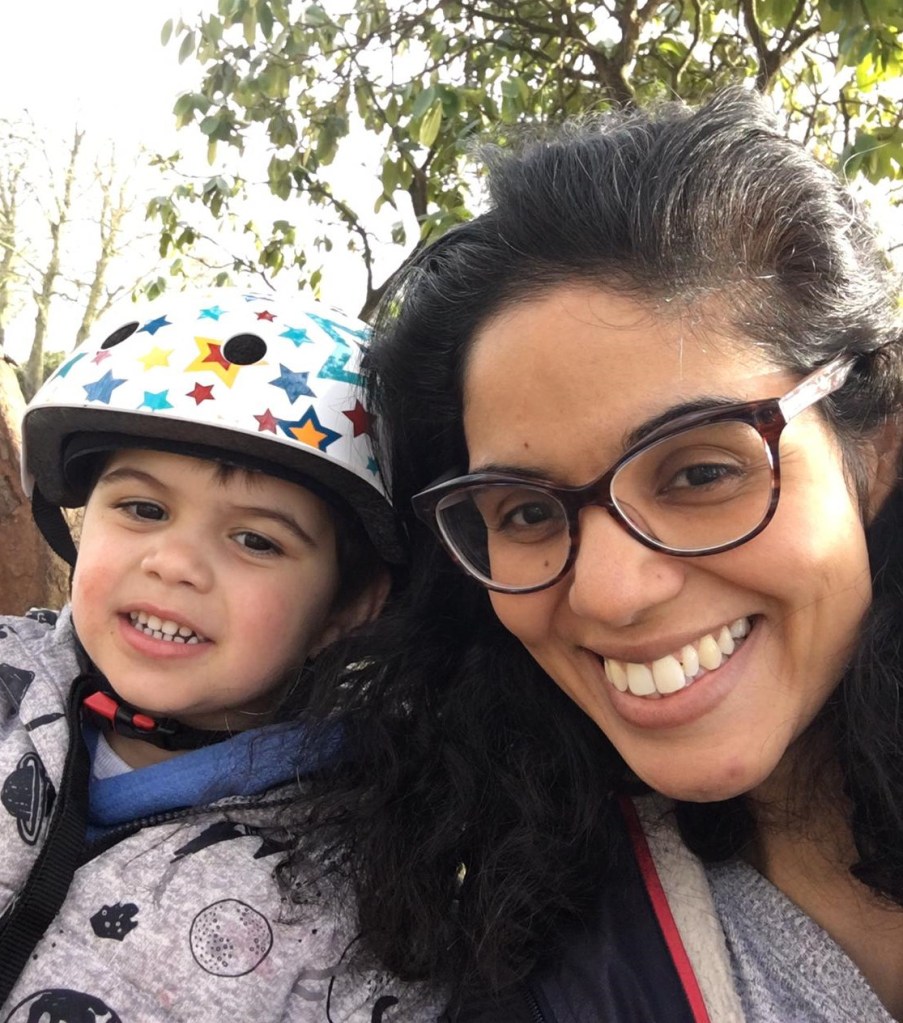
Fast forward 20 years, I met my husband Mark, who was born and raised in the countryside. An avid fan of nature and the outdoors, he has completely changed my perspective on nature. We have a young son, Esa who is now nearly 4 years old. Esa’s childhood couldn’t be any more different to mine – his world is all about the outdoors, nature and green spaces. Mark fell in love with where  we lived in South Birmingham because of all the green spaces we have on our doorstep – Swanshurst Park, Sarehole Mill and the River Cole. I didn’t quite appreciate it when we first moved here, but since taking this job (which feels like so much more than a job), I feel so lucky to offer it to Esa – he even calls Swanshurst Park ‘my park’ as we have spent so many days there as a family. I can honestly say that nature has given me this wonderful bond with my little man, and it will stay with me forever – I’m convinced I’m a better parent for it.

When I see other children who don’t have parents that are comfortable with nature, this is where FPA is so important. We need to find a way of bringing nature to all children – whether through nurseries, schools, children’s homes or their families. It’s a question of justice – we know those children who would benefit the most from nature often experience it the least. I’ve made a short video (with the help of my wonderful colleague, Debbie Needle) showing how easy it is for children to connect to nature. I would love to see a world where all children in Birmingham get to grow a plant. If this blog has inspired you, we’d love to hear about it you can find us on Twitter, Facebook and Instagram @NaturallyBirmi1 or email us on futureparks@bosf.org.uk

Insights from our FPA Team

Name: Hamira Sultan Role:
FPA Director and Consultant in Public Health

A warm welcome to our first Blog! Our FPA programme has been on an incredible journey. For me personally, I feel very lucky and privileged to not only be part of it, but to lead our team in moving forward with our goals.

I’ve never had a job before that has impacted me so personally as FPA – the way in which I spend my free time with my 3-year-old son, Esa, has completely changed. Green space is a daily feature of our lives be it in our local park (which he calls ‘my Park’), or in our garden or along the River Cole.

I am excited to see how all our workstreams develop–embedding the value of green space into people’s lives is vital if we are to secure a future for nature in our City. What our programme has concluded so far is the need to change the city’s Governance framework for the natural and green environment. This will be under-pinned by 4 other cross-cutting frameworks. We will be updating you every month on the progress we are making against our 5 frameworks for the FPA programme.