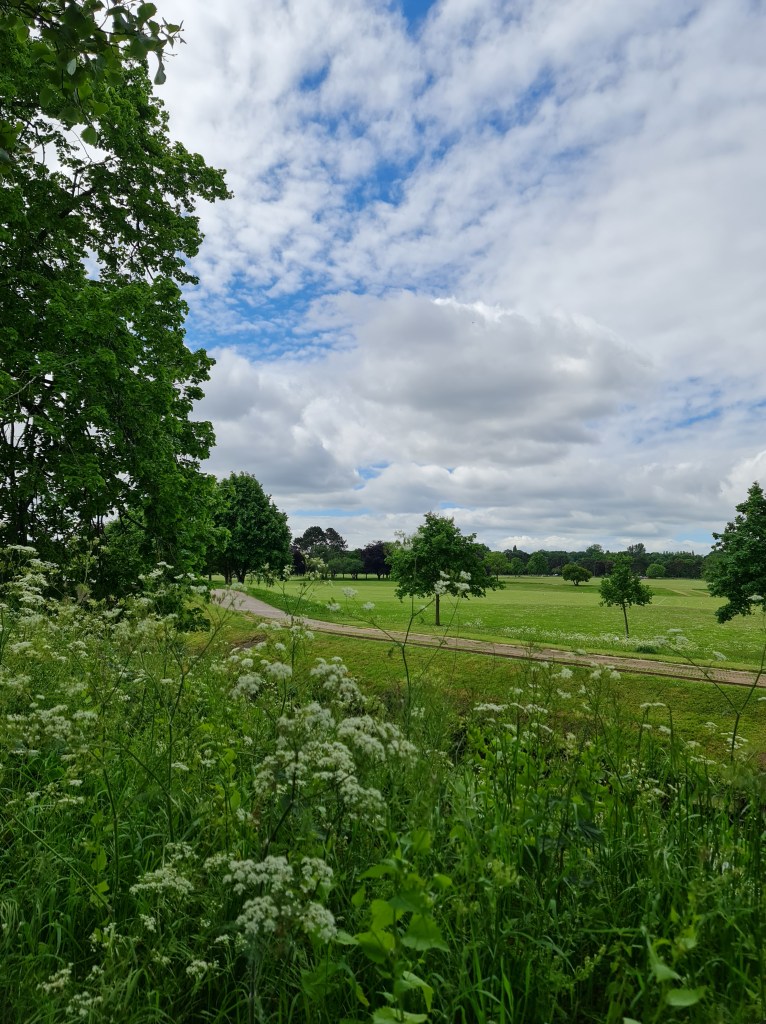
We often talk about designing cities. Planners draw maps, engineers build roads, and policies shape how neighbourhoods grow. In best case situations individuals with an interest in the area co-design the plans and are involved with the delivery and ongoing care. But if you look closely, another quieter process is always happening alongside these plans. In the places that were designed and built 20, 50, 100 years ago quiet and often slow change happens even in cities.
Cities are constantly re-gardening themselves.
Urban ecologists sometimes describe cities this way: not simply as places that are built and maintained by authorities, but as living landscapes shaped by many small acts of care and movement.
Some of this happens through people. A resident plants flowers on a grass verge. Volunteers restore a meadow in a local park. A bowl of water is placed in a garden for birds. Children explore a patch of grass and as they begin to notice the life around them they follow the path a fox takes to a short cut through the broken fence. All of these slowly edit the landscape.
As we notice more we realise – people are not the only gardeners of the city. Birds carry seeds across neighbourhoods and drop them in new places. Squirrels bury nuts that become future trees. Insects pollinate flowers that will spread across the landscape. Wind lifts seeds and carries them to unexpected corners. Rivers and streams reshape the land, move soil and create new habitats over time.
Together these forces create a living, shifting patchwork of nature within the urban landscape.
Sometimes these changes are gentle and positive. Sometimes they remind us that our own actions can reshape the environment in ways we must learn to manage carefully. But the underlying truth remains: cities are not static places. They are constantly evolving ecosystems.
When we begin to see the city this way, our role changes slightly. Instead of thinking only about designing and controlling urban spaces, we can also think about how to support the many gardeners already at work.
Residents planting flowers. Volunteers caring for parks and green spaces. Birds spreading blackberries (or brambles) across neighbourhoods. Wind and water sculpting the landscape with a power that can build or destroy, but is constantly changing what was there yesterday.
All are part of the living ecology of the city.
Perhaps the task for those who care about nature in cities is not simply to design new landscapes, but to notice and nurture the quiet ways the city is already gardening itself.
 Naturally Birmingham Future Parks Project